




Key Takeaways
- A standup’s purpose is simple: align the team, expose blockers early, and keep work flowing.
- Most failing standups suffer from long durations, off-topic chatter, unequal airtime, and no actionable outcomes.
- Real improvement starts with structure: timers, crisp questions, and a board that reflects actual work.
- Psychological safety matters—teams must feel comfortable admitting blockers and adjusting commitments.
- Modern tweaks like the “16th minute,” AI accountability, and flexible meeting cadence keep standups valuable.
- When done right, standups bring clarity, focus, and momentum to every day.
If your “daily standup” feels like torture, you’re not imagining it.
This little 15-minute meeting is supposed to be one of the most powerful tools in an Agile marketer’s toolkit. Instead, it often turns into a bloated status meeting, a monologue from the loudest person in the room, or a ritual everyone attends but no one finds useful.
Let’s fix that.
To make that happen, we’ll walk through:
- What a standup is actually for
- The most common ways it goes off the rails
- Practical, no-fluff tweaks to turn it back into a powerful alignment tool for your team
What a Standup Is Actually For
Let’s start with the basics.
The “standup” got its name from the idea that everyone would literally stand during the meeting to keep it short. Standing is optional now (and not always inclusive), but the intent behind the meeting hasn’t changed:
A standup is a short, focused connection point where the team answers three questions:
- What did I do in the last 24 hours?
- What will I do in the next 24 hours?
- What blockers are preventing me from making progress?
On the Agile marketing teams we work with, we encourage the addition of an important modifier:
What did I do in the last 24 hours to move the team forward?
That phrasing matters. We aren’t there to list everything we did (“I went to three meetings, answered email, and had a sales call”). We’re there to talk about the work on the board that advances the team’s shared goals.
When it’s working, a standup should:
- Keep the team tightly aligned
- Surface problems early, when they’re still small
- Allow the team to reassign, deprioritize, or adjust work quickly
- Help leaders remove impediments so value gets delivered on time
That’s it. No solutioning. No deep dives. No “fun” surprises at the end of the sprint when we discover almost nothing got done.
If your standup isn’t helping you do those things, it’s not “Agile.” It’s just another recurring meeting.

The Red Flags: Signs Your Standup Is Broken
Let’s talk about the symptoms of a sick standup. If you recognize yourself or your team in these, you’re not alone – but you do need to intervene.
1. You Routinely Blow Past the 15-Minute Timebox
Standups are designed to be 15 minutes. Every member of the Agile team is supposed to attend, which means every extra minute you go over is expensive.
If your standup is regularly 30, 45, or, heaven help us, 60 minutes long, you’ve just eaten a massive chunk of team capacity in one go.
Common culprits:
- People don’t realize how long they’re talking
- The conversation drifts into problem-solving or storytelling
- The team is too big (and you should listen to my episode on two pizza teams)
Fix:
Divide 15 minutes by the number of people in the meeting. That’s how many minutes each person gets. Use a visible timer that everyone can see, and restart it when a new person begins.
When the timer goes off, you stop. No easing out, no “just one more thing.” Be rude as hell about it for a couple of weeks. You’re rewiring a habit, and that takes a little discomfort.
If no one on the team is comfortable playing “timer police,” ask a Scrum Master, Agile Lead, or even a friendly project manager to come in and facilitate until the rhythm sticks.
2. People Wander Off Topic
You’ve probably been in this standup:
- “I had the wildest sales call yesterday…”
- You won’t believe what happened with my kid…”
- “Let me tell you about this meeting…”
Are those things interesting? Absolutely.
Are they standup material? Absolutely not.
Unless that story directly explains why you’re late, blocked, or changing priorities, it doesn’t belong in the standup.
Fix:
Use that modifier I mentioned earlier:
- What did I do in the last 24 hours to move the team forward?
- What will I do in the next 24 hours to move the team forward?
Most meetings and random interruptions won’t survive that filter.
And just like with the timer, someone has to be willing to gently but firmly say:
“Let’s take that offline – what’s the update on the card?”
Again, you’ll need to be a little “rude” for a while to install the discipline. It gets easier once the team sees how much time they get back.
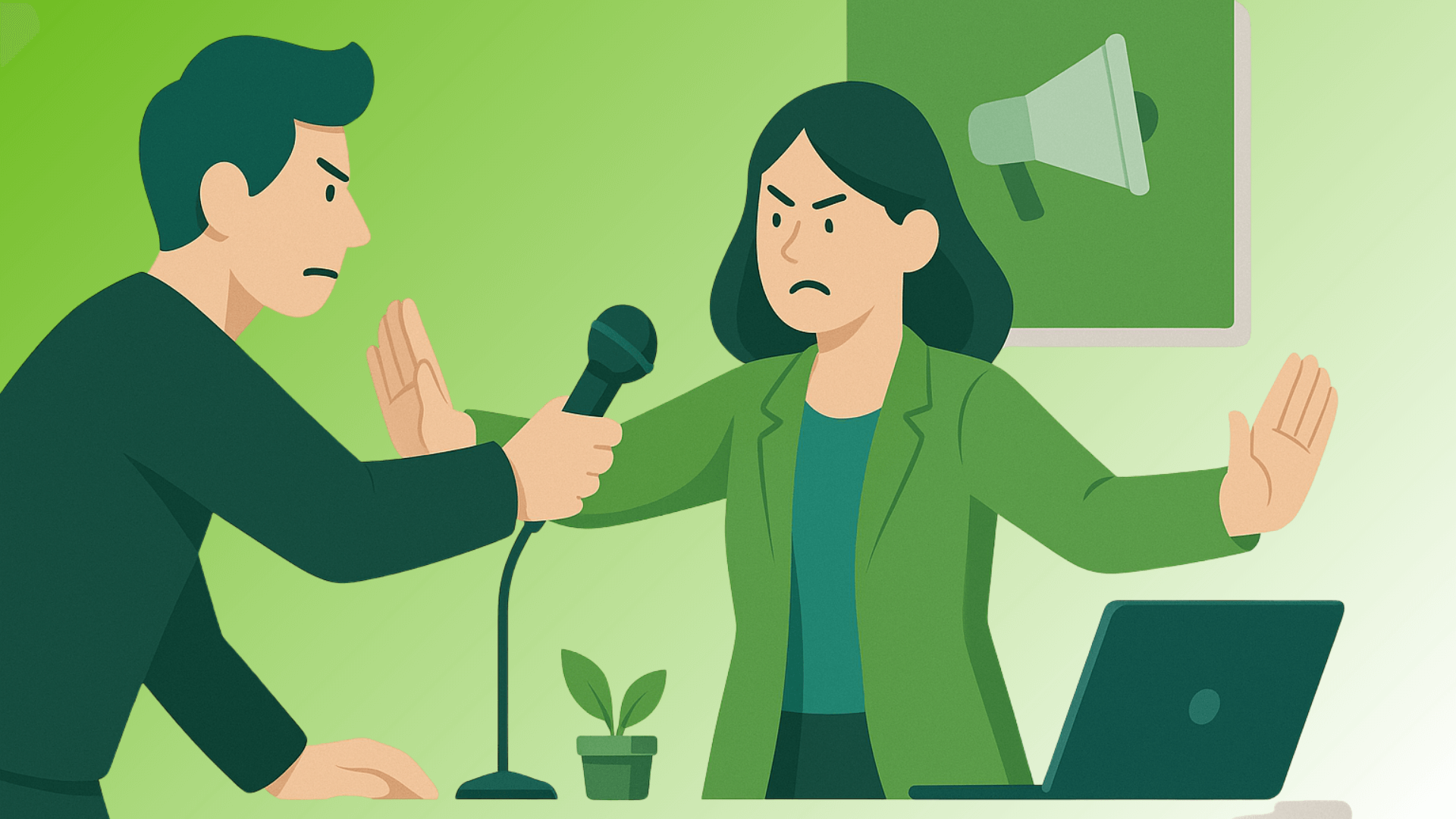
3. One Person Hogs All the Air Time
This one’s…icky.
This isn’t just someone who rambles. It’s the person who behaves like their work is the main event and everyone else is a supporting character.
They take 80% of the airtime. Their projects always get discussed first, and in depth. Over time, everyone starts to believe their work matters more.
Fix:
If the timer and gentle redirects don’t work, you need a separate conversation. Leaving this unchecked tells everyone else that the rules are optional for certain people – and that’s poison for psychological safety.
Your job as a leader (formal or informal) is to protect the team’s safety and equity, not just the schedule.
4. Nothing Changes After the Meeting
If your standup ends and:
- The board looks exactly the same
- No priorities shift
- No owners change
- No follow-up conversations get scheduled
…then why are you having it?
This usually signals one of two things:
- You don’t really have a team. You have a group of individuals whose work is adjacent but not interdependent. They can’t meaningfully help each other, so there’s no reason to listen.
- Your board is a fiction. The “real” work lives somewhere else (in people’s heads, in email, in side chats), and the board is just a ceremonial artifact.
Fix:
Your Kanban or sprint board should be the single source of truth for the team’s work. If it’s not, fix that first.
Then, use the standup as an inflection point:
- Are we still working on the right things?
- Is anyone stuck who needs help?
- Should we reassign this card so it actually gets finished?
If nothing ever changes after standup, the meeting will eventually die – and honestly, at that point, it should.
Before you keep reading, The Ropes gives you 100+ hours of FREE Agile marketing courses, exclusive resources, and certification & coaching giveaways — completely free.

5. No One Notices When Standup Gets Canceled
If you cancel standup for a few days because of vacations or conflicts and absolutely nothing feels different, that’s a red flag.
It’s very closely related to the previous one: either the board is out of sync with reality, or the work isn’t truly shared.
And when standup doesn’t feel essential, it’s the first meeting everyone wants to cut. After all, who doesn’t want fewer meetings?
Fix:
Get brutally honest:
- Are people being pulled off board work constantly?
- Is the board showing an idealized world while reality lives elsewhere?
Bring the board back in line with reality, and standup will start to matter again.
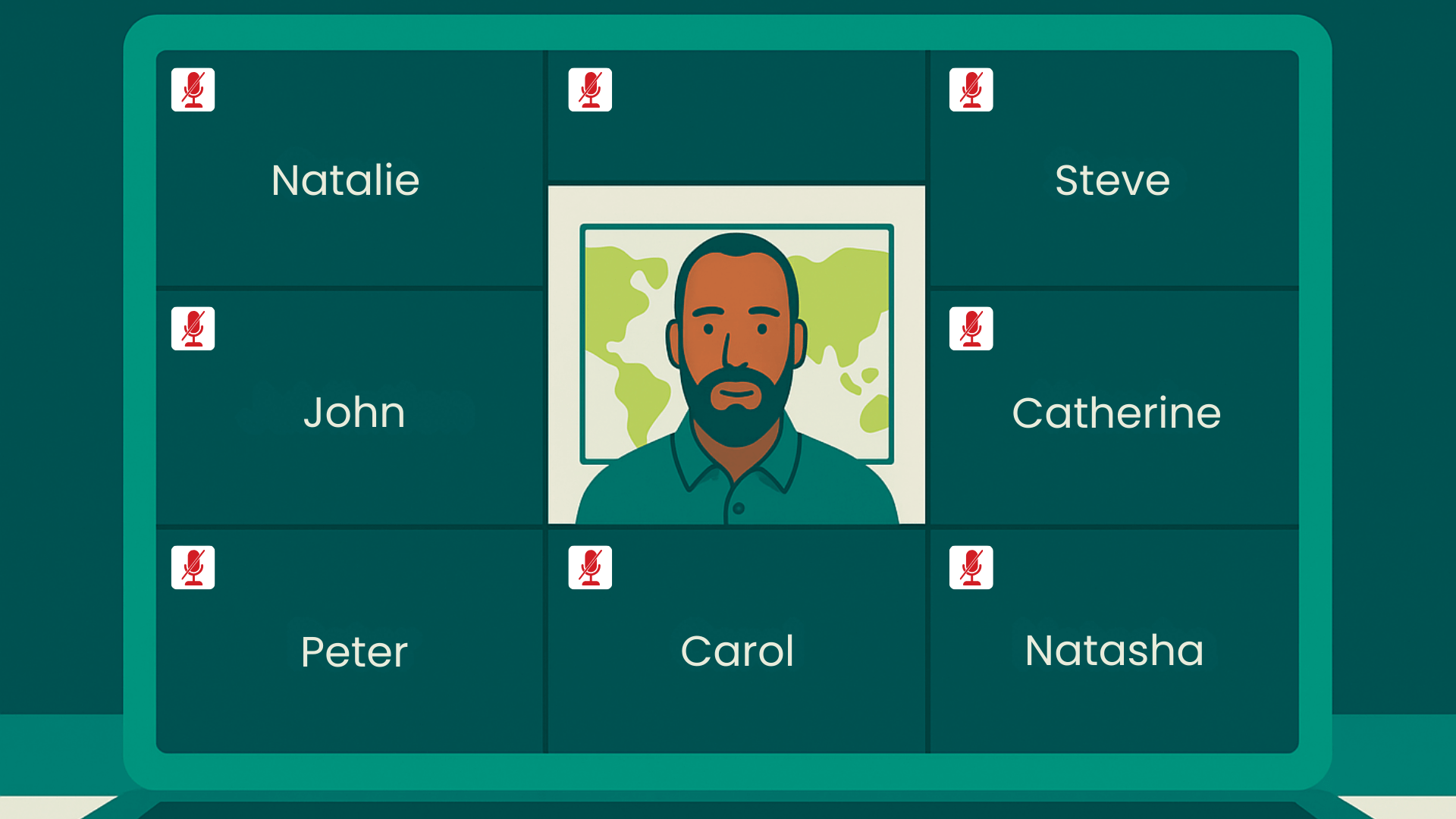
6. People Check Out After Their Turn
This is the “zombie Agile” version of standup:
Folks show up, they give their update, then they mute, turn cameras off, and mentally disappear
Technically they “attended.” Practically, they didn’t participate.
This is another sign that you don’t have a real team – you have a collection of individuals doing parallel work with minimal collaboration.
Fix (and a bright spot):
As AI tools help us expand our skill sets, cross-functionality gets more realistic. Content folks can help with light design. Ops people can support testing and analysis. Channel owners can support each other.
That’s good news for standups. The more cross-functional your team becomes, the more meaningful collaboration becomes – and the more valuable a 15-minute alignment ritual is.
But you have to cultivate that mindset: “How can I help move our work forward?” Not just, “Here’s my lane, don’t bother me.”
7. Everything Was “Fine” All Sprint…and Nothing Got Done
This one might be my personal least favorite.
You go through an entire sprint’s worth of daily meetings:
- Any blockers? “Nope!”
- Need help? “I’m good!”
- On track? “Totally!”
Then at the end of the sprint, two cards are done, and 90% of the work is still stuck in progress or sitting in the backlog.
If everything was “fine,” why didn’t anything get finished?
Fix:
You don’t have a process problem. You have a trust and safety problem.
People are:
- Overcommitting (being wildly optimistic about what they can deliver)
- Afraid to admit they’re in trouble
- Rewarded socially for “doing it all,” even when that leads to underperformance
On my team, we’ve started using this phrase:
Overcommitting is underperforming.
It stings a little – and it should. Saying you can do more than you realistically can isn’t heroic. It’s harmful to the team.
Reward the behavior you want:
- Shout out the person who admits, “I overcommitted; I need help.”
- Consider small rewards (even something like a coffee gift card) early on to normalize honesty.
- As a leader, be vocal and effusive when people surface blockers early.
You can’t fix what you don’t know about.
8. Only the PM/Scrum Master Talks
One more icky one: the “tour guide” standup.
You’ve probably seen it:
- One person shares their screen
- They click into each card
- They narrate what’s happening, asking each owner, “Anything to add?”
- The team mostly listens passively
This often comes from good intentions – someone wants to keep things organized and “on process” – but it sends the wrong message. The board, the work, and the process belong to that person, not the team.
Fix:
Change the format.
- Each team member speaks to their own cards, or
- Each person just answers the three questions (last 24, next 24, blockers)
Either way, multiple voices should be heard. Standup is not a status report given to one person. It’s a conversation among peers who share ownership of outcomes.
How to Fix a Failing Standup
Now that we’ve ripped off a few Band-Aids, let’s talk about specific practices that can bring your standup back to life.

1. Use the Timer – and Protect the 15 Minutes
- Put a visible timer on the screen
- Enforce individual time limits
- Cut people off (kindly but firmly) when they exceed their turn
- Rotate the timekeeper role so facilitation is a shared responsibility
You’ll feel strict at first. That’s okay. You’re teaching the team how to use this meeting well.
2. Add the “16th Minute”
I love this little hack: block 30 minutes on the calendar. The first 15 are the standup. The second 15 are optional.
What happens:
- You keep the standup fast and focused
- If a topic needs more discussion, only the people who are actually involved stay
- Everyone else gets 15 minutes back to do deep work
This lets you keep your standup lean without losing the chance to go deeper when needed.
3. Audit Your Board for Reality
Ask yourself and your team:
- Does this board represent the real work we’re doing?
- Or is it a sanitized, idealized version of reality?
If people are doing major chunks of work that never make it to the board, fix that first. Standup depends on shared visibility. Without that, you’re just improvising.

4. Actively Reward Openness About Blockers
Your standup should make it safe – even encouraged – to say:
- “I’m stuck.”
- “I misjudged the effort on this.”
- “I can’t finish this without help.”
Use your words and your behavior to normalize this:
- Thank people out loud when they raise issues early
- Offer help or create space for others to help
- Avoid blame language; focus on solutions and learning
If you want honesty, you have to make it a low-risk move.
5. Let AI Help with Accountability
AI meeting notes can be a powerful supplement to your daily huddle.
You don’t need a fancy setup. Even a simple transcript or summary that captures:
- Who said they’d do what
- What was supposed to happen in the next 24 hours
…can be gold.
Next day’s standup:
“Yesterday you said you’d do X and Y—how did that go?”
It reinforces a simple loop:
Say you’ll do a thing → Do the thing → Report back.
6. Get Flexible About Frequency and Time Zones
The “daily” in daily standup isn’t sacred. The purpose of the meeting is.
If you’re remote, hybrid, or stretched across time zones, “every weekday at 9 a.m.” may not make sense.
Consider:
- Meeting 3 times a week instead of 5
- Avoiding fewer than 2 per week, or each meeting will get bloated and long
- Running two standups (morning/evening) with one person who attends both and connects the dots across time zones
- Using async updates (Slack, Loom, etc.) on days when half the team is out
As long as you’re:
- Keeping work flowing
- Collaborating effectively
- Surfacing blockers quickly
…you’re honoring the spirit of the practice, even if the letter looks different.
7. Try Social Standups
When standups start to feel stale and robotic, inject a little humanity.
Once a week (or once every couple of weeks), replace your regular updates with a social question. Things like:
- “If you could go anywhere in the world on vacation, where would you go?”
- “If you had to be a lawyer, would you rather be a prosecutor or a defender – and why?”
You’ll learn surprising things about your teammates, build camaraderie, and make the rest of your standups less stiff. Just don’t let the social version replace the working version altogether; they’re a complement, not a substitute.
Make Your Standup Worth the Calendar Space
A good standup feels like this:
- You leave clear on your priorities for the day
- You know where the team is stuck (and what’s being done about it)
- You see how your work contributes to shared goals
- You’ve had a chance to ask for help and offer it
A bad standup feels like:
- A status recital
- A time sink
- A calendar tax with no real payoff
If you’re stuck in the second category right now, you don’t have to stay there. Tighten the timebox, refocus the content, make the board real, and fight for psychological safety.
Do those things consistently, and this little 15-minute meeting stops being torture and starts being what it was always meant to be: a daily moment of clarity that helps your Agile marketing team move faster, deliver more value, and feel more human doing it.

Topics discussed

Improve your Marketing Ops every week
Subscribe to our blog to get insights sent directly to your inbox.